
Formatting Manuscripts

Recent experiences have demonstrated that the art of how to format a manuscript for submission is being lost.
This information used to be available in the front of Writer’s Market, a book every author needed if they wished to make money. But, in our modern age, not only do many writers not need this work, a majority probably do not know it exists.
The result is that many people make errors—some simple, some significant—when they submit manuscripts to publisher.
What is a significant error? NOT PUTTING YOUR NAME AND ADDRESS ON THE FILE!!!
Folks, editors download dozens or scores or even more of manuscripts. Then, they open them to read them. Forcing them to search their email to trying to find the message that had this particular manuscript attached…well, it isn’t improving your chance.

Formatting Manuscripts
Manuscript Format
This is the format that, until recently, all editors wanted stories to arrive in. Nowadays, what different editors want may differ more, but this is till the default, should the specific place you are submitting to not give instructions.
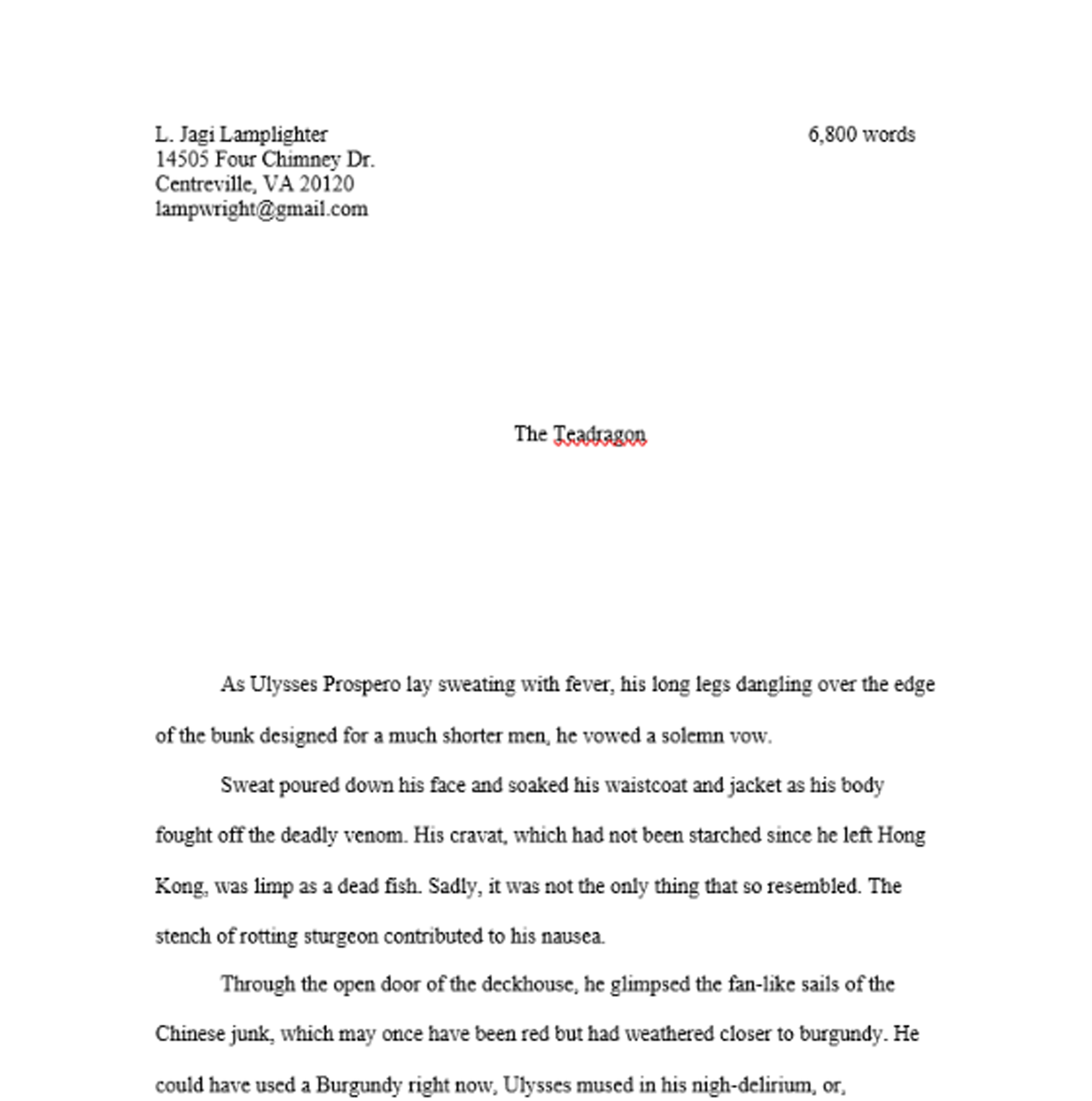
1) Name and address in the upper left, On the right the number of words
2 ) About five spaces down, the title
3) One space, then author’s name
4) About another five spaces…putting it at the center of the page, the first page starts. (Pages after that are normal, no extra spaces needed)
5) Every paragraph should be indented five spaces
6) NO EXTRA SPACE BETWEEN PARAGRAPHS
7) Double space—all lines. No extra spaces between paragraphs
8) 1” margins
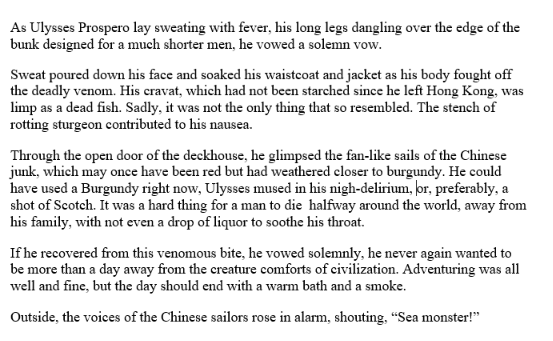
Let’s revisit Number 6: What you do not want to do is send a manuscript meant for book publication (ie, not for a blog or website) to an editor or typesetter in Blog Format—i.e. no indent, extra space between paragraphs (Unless the submission standards ask for it.)
One manuscript was delivered to Superversive Press this way. The typesetter did not realize this and typeset it as is—with an extra line between every paragraph.
When the error was detected and the book reformatted (after the first dozen or so had sold), it shortened the final paper volume by well over 100 pages—which allowed the publisher to cut the price.
So this is not a small matter.
*If you are writing non-fiction, or even fiction for a blog, then you would submit it in blog format.
Typesetting Formatting
Manuscripts being turned in to a modern publisher should take advantage of “Styles”. MSWord and most similar word processing programs allow you to choose Styles, such as Header 1 or Body.
If an author uses one style (say Header One) for every chapter head, then it is very easy to change them all at once so that they stay uniform. Some suggest designating a style for each different type of heading you use. That way, life is much easier for your typesetters.
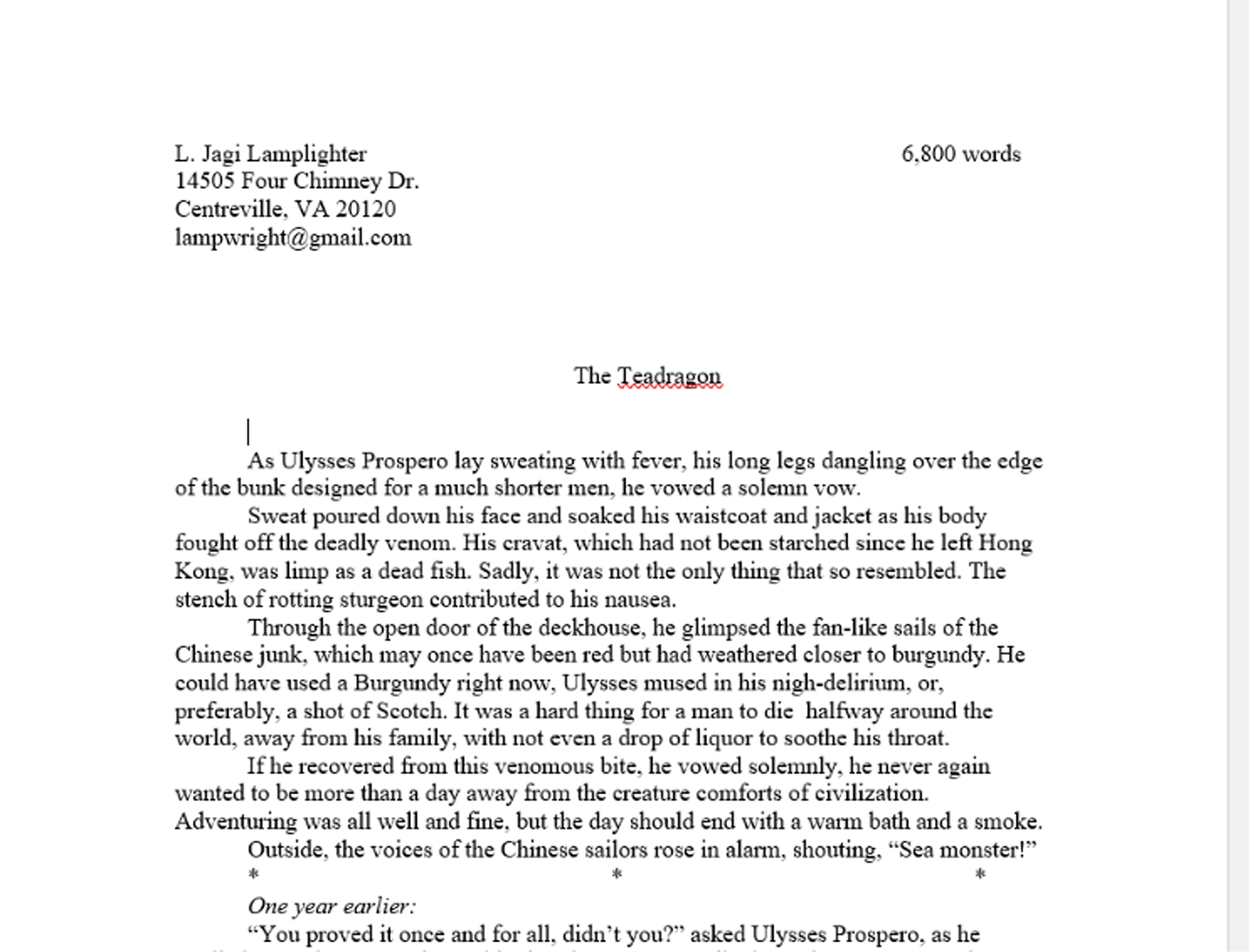
Manuscripts submitted to be typeset for Amazon, etc. should be as described above (indented, 1” margins, etc.) except, it should be single spaced.
Double spacing is to make it easy for editors to see and mark up. Single spaced is how it goes out to readers.
Examples:
Manuscript Format looks like:
Modern Typesetting Format: for Amazon and other places — note the single space:
NOT Blog Format
There you go!
Again, check the submission guidelines. If they say nothing specific, use the above. If they give any specifics, follow them.
Thank you for posting this